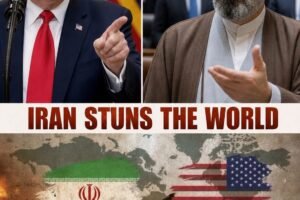
The cameras barely noticed. The words sounded cautious, almost dull. But behind the polite phrases and staged handshakes, American and Iranian officials are testing something far more dangerous than open confrontation: trust. Every closed-door meeting raises the stakes. Every carefully chosen word could open a door—or close it for a generation. Investors watch. Allies whisper. Enemies prepa…
Away from the headlines about missiles and sanctions, a slower, more fragile story is unfolding: two longtime adversaries trying, step by step, to talk without collapsing the room. U.S. leaders frame it as a search for clarity, transparency, and predictable rules. Iranian officials weigh economic relief, regional influence, and a chance to re-enter global markets without appearing weak at home. Regional partners like Qatar quietly shuttle messages, host meetings, and remind both sides that instability costs everyone—businesses, tourists, workers, and governments alike.
Progress will not come in a single dramatic breakthrough, but in a series of small, easily overlooked decisions: a phone call returned, a proposal not rejected, a deadline quietly extended. International organizations and diplomatic coalitions can turn these moments into structures—agreements, inspection regimes, economic frameworks—that outlast any one administration. The disagreements remain real, sharp, and sometimes bitter. Yet as long as channels stay open, there is a path—narrow, uncertain, reversible—toward a more stable relationship that could reshape not just U.S.-Iran ties, but the wider balance of security and prosperity across the Middle East and beyond.